Collection
Folding Camping Chairs
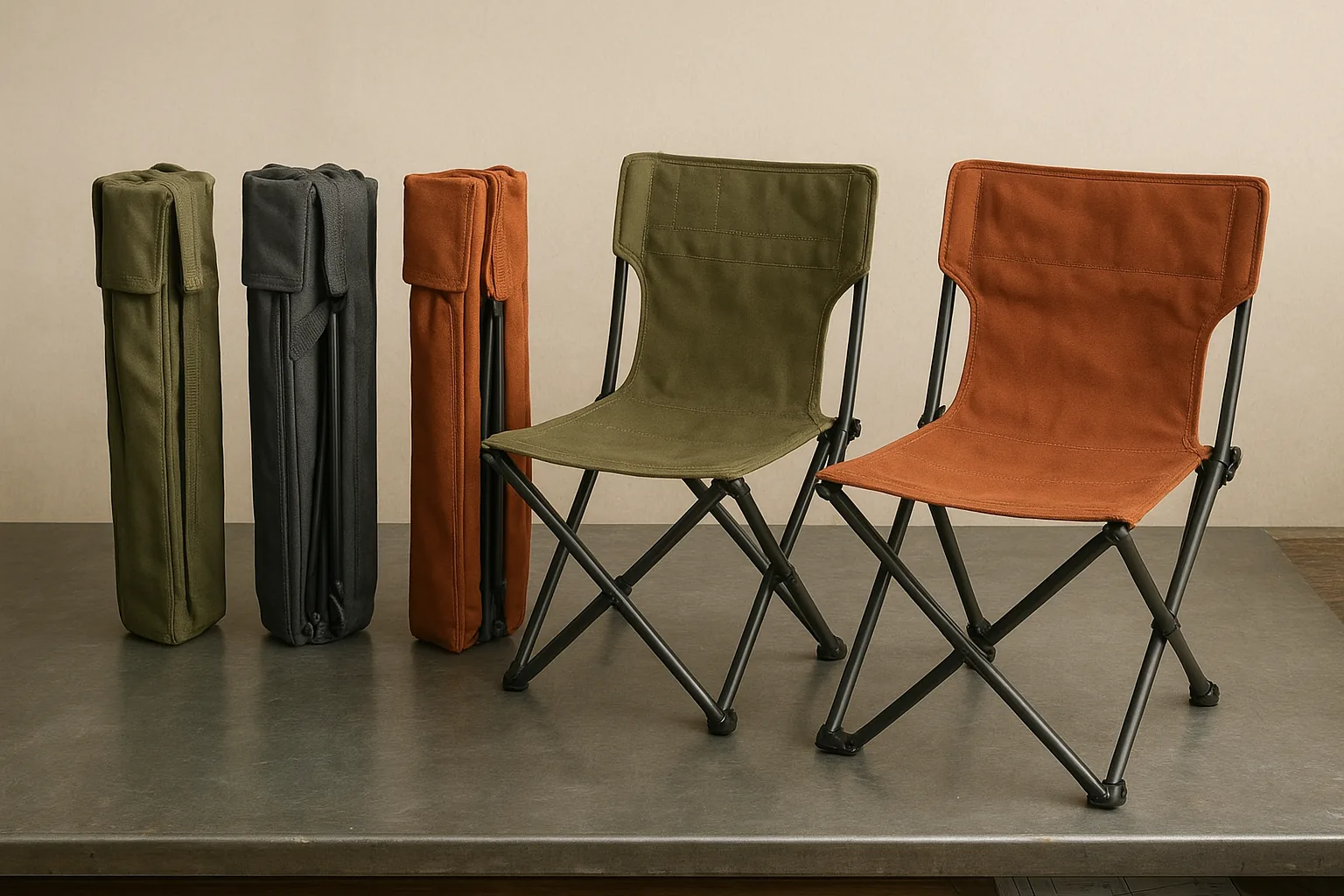
Portable seating for low-profile evenings, upright campsite meals, compact stops and relaxed longer stays, with packed dimensions and seat formats made easy to compare.
View CollectionSelection coordinates
A chair and a sleeping bag answer different comfort needs, but both use transport and storage space, so this guide compares the decisions in a practical order.
ONLINE GIVEAWAYS LTD
Practical guidance connected directly to the live catalogue and support flow.
Collection
Portable seating for low-profile evenings, upright campsite meals, compact stops and relaxed longer stays, with packed dimensions and seat formats made easy to compare.
View Collection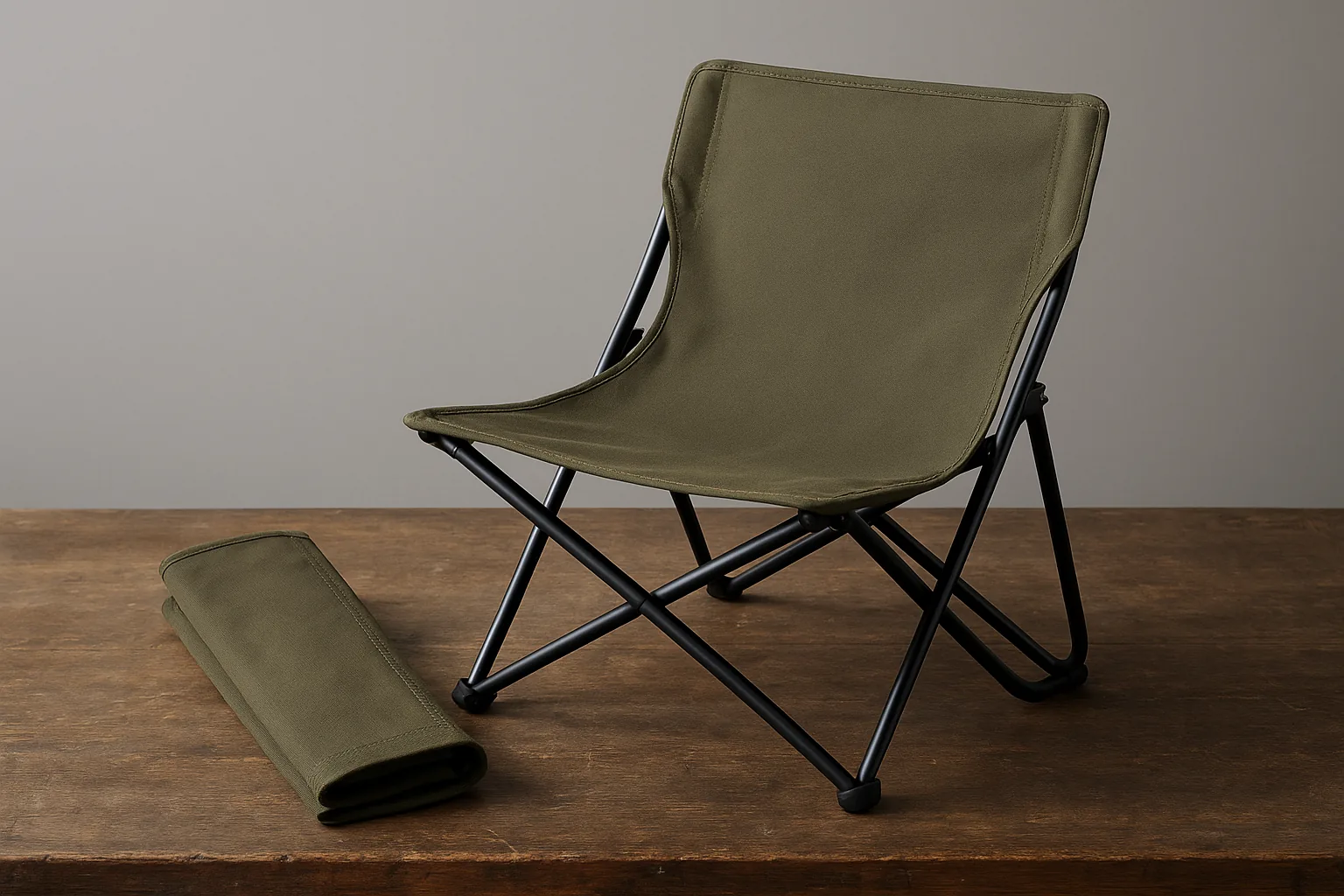
View product
A low-slung folding seat with a compact carry profile for relaxed campsite evenings.
View productFolding chairs are best compared by seating position, open footprint and folded geometry. A low chair suits a lower posture, an upright high-back format aligns more naturally with a table, and a compact stool makes sense for shorter stops.
Sleeping bags are compared by shape, dimensions, fill, access and how they work with the rest of the sleep setup. Envelope, mummy, double and junior formats each use space differently.
Neither category should be chosen from appearance alone. Think about who will use the item, where it will be opened, how it travels and how it will be dried, cleaned and stored.
Start with what the seat needs to do most often, then check the frame and dimensions on the product page.
A low-slung crossed-frame chair keeps the profile compact and places the sitter nearer ground level.
An upright chair with arms and a taller back may better match time spent around a table or reading.
A tripod stool removes arms and back support in exchange for a smaller, simpler packed object.
A recliner adds adjustment and a leg rest but uses more space both open and folded.
Avoid treating a season name or general description as a promise for every sleeper and every night.
Check overnight conditions, wind and moisture for the specific campsite and dates before departure.
Tent design, ventilation and pitch exposure affect the environment around the sleeping setup.
The sleeping mat is a separate part of the system between the sleeper and ground.
Clothing, comfort preferences, age and intended bag fit all influence the final choice.
Shake out and air sleeping equipment after use, then follow its care label for cleaning. Store every item dry and avoid leaving damp fabric compressed in a sack, car boot or closed box.
Brush loose dirt from chair feet and fabric, allow the frame and seat to dry, and inspect moving joints before folding. Do not force a frame that appears obstructed.
Before departure, open equipment at home and check its condition while there is time to resolve a missing sack, stuck zip or damaged component.
Keep these checkpoints in mind while comparing packed formats, chair positions and sleeping-bag shapes across the collections.
Related products
A few catalogue examples that connect the guidance, process, or service topic to the actual storefront.
A low-slung folding seat with a compact carry profile for relaxed campsite evenings.
£39.00
View product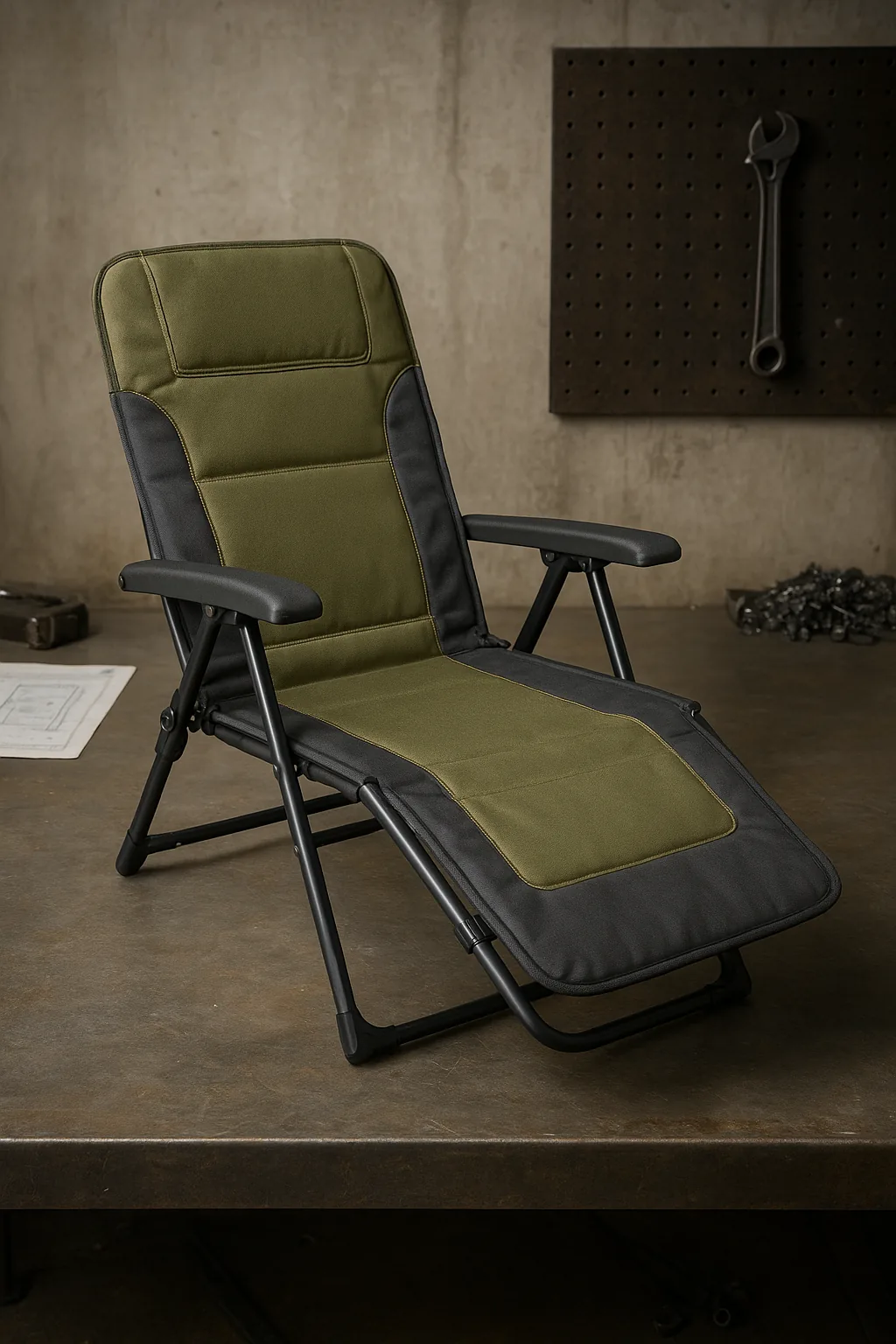
An adjustable folding camp chair with a leg rest for unhurried time beside the tent.
£89.00
View product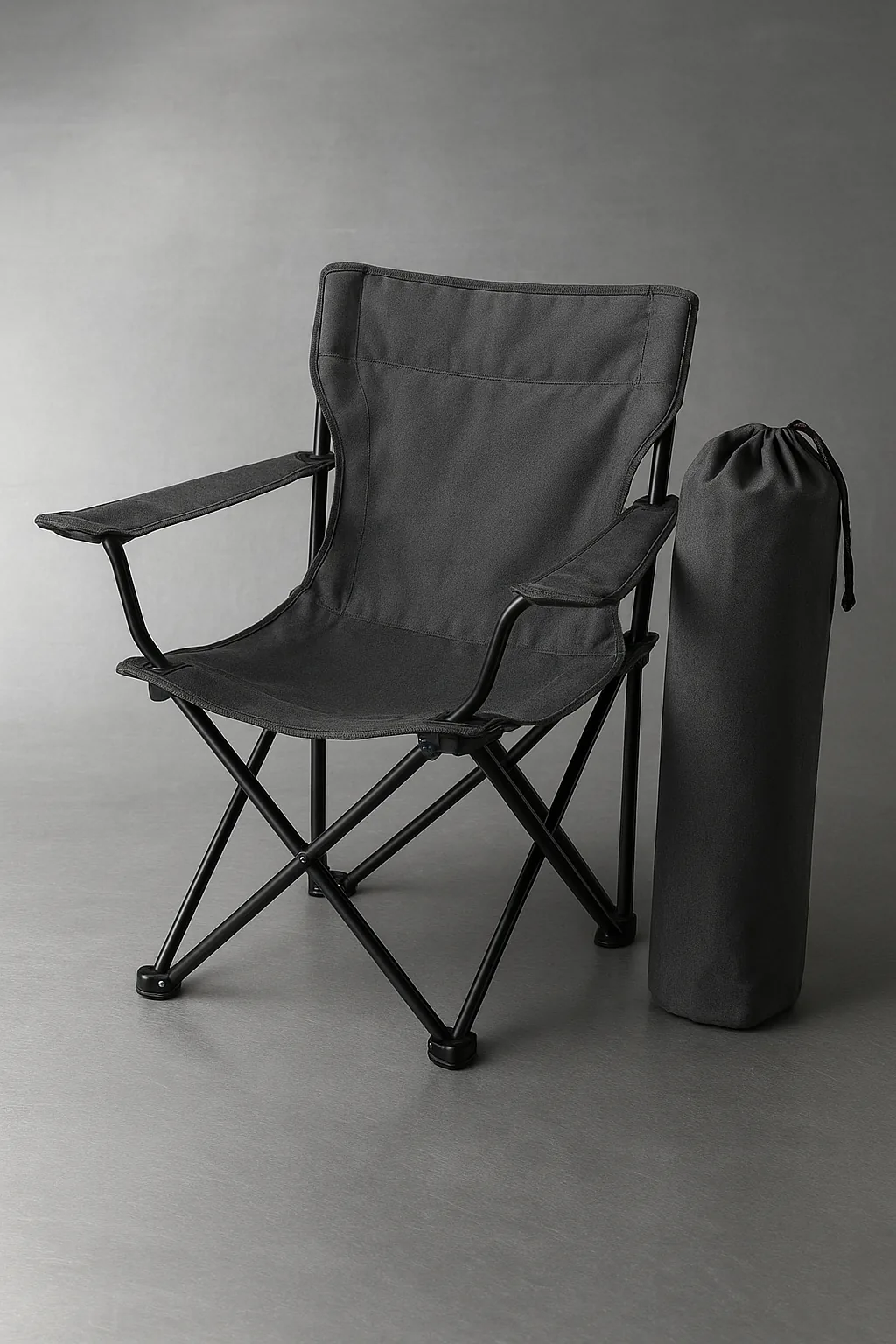
An upright folding chair with a taller back and supportive arms for longer campsite pauses.
£69.00
View productBasket
0 items in cart
Your cart is saved in this browser until you clear it. Need help now? Contact us on +441692 763030.